Permanent Residency in Cyprus Through Property: How It Works
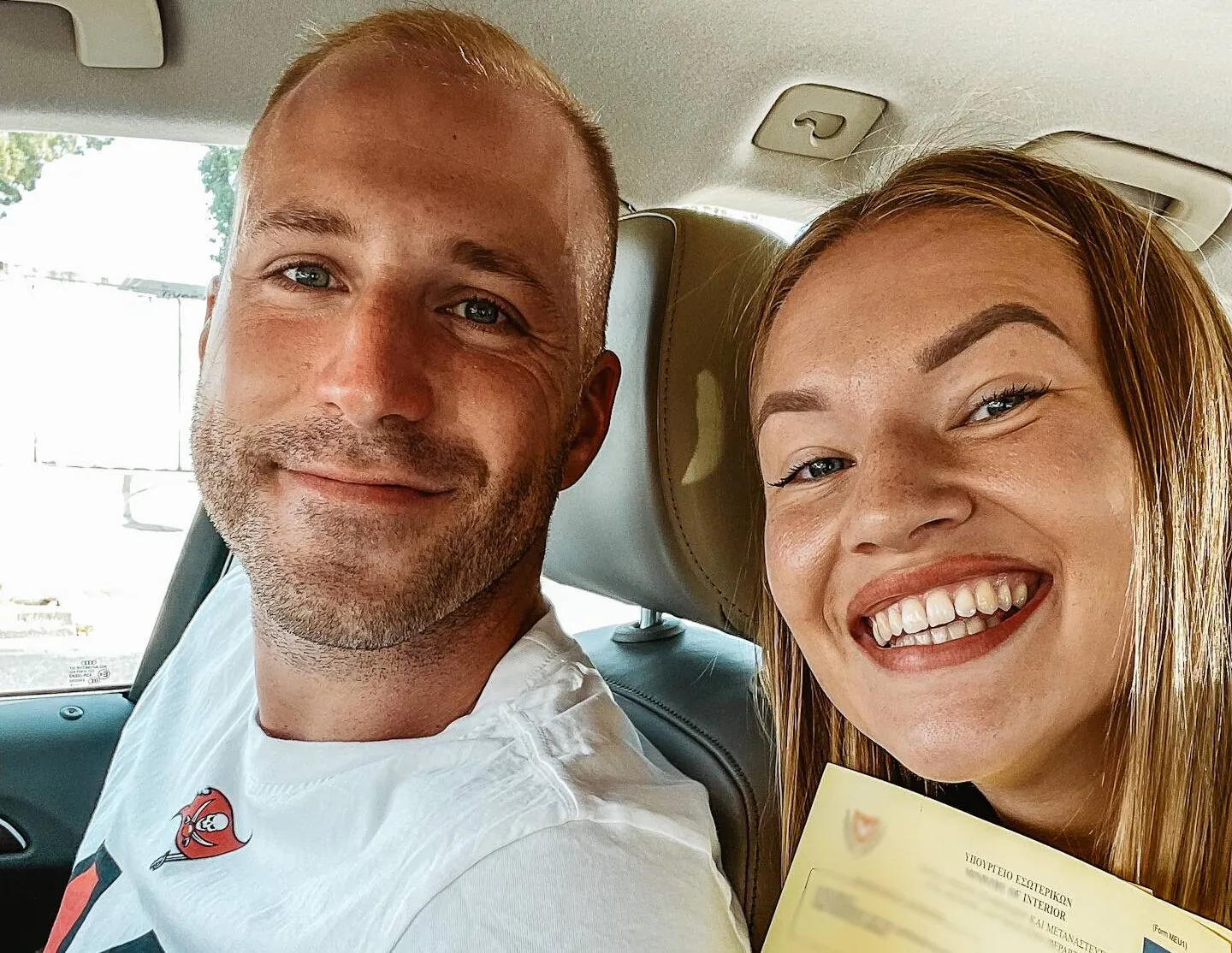
Cyprus offers non-EU citizens a permanent residence permit if they invest in the country. For most families the route runs through property: you buy a new home from a developer, show a stable income from abroad, and the whole family receives permanent residency. There is no minimum number of days you have to spend on the island.
We get asked about this route almost every week. Here is the overview we give in our first conversations: what the rules require, where people trip up, and what the process looks like in practice.
This guide is general information, last checked in October 2026. It is not legal or tax advice. The rules are set by the Cyprus Ministry of the Interior and can change, and every application is prepared by a licensed Cyprus lawyer.
The short version
- Investment: at least €300,000 plus VAT in one or two newly built homes, bought directly from a developer.
- Income: a secured annual income of at least €50,000 from abroad, plus €15,000 for a spouse and €10,000 for each dependent child.
- Family: your spouse and your children under 18 are included in the same application. Unmarried children aged 18 to 25 who study abroad and are financially dependent on you can apply as well, with €10,000 more income each.
- Presence: you do not need to live in Cyprus. You need to visit at least once every two years.
- Permit: permanent, it does not expire. The residence card itself is reissued every ten years, and each year you confirm that the investment and your health insurance are still in place. It is not citizenship.
Which investments qualify
The legal basis is Regulation 6(2) of the Aliens and Immigration Regulations. It accepts several types of investment of at least €300,000. For private buyers the residential route is by far the most common:
- Residential property: up to two new homes from a developer (first sale), with a combined value of at least €300,000 excluding VAT. They can be in different projects and from different developers.
- Commercial property: offices, shops or hotel units, which may also be resale.
- Company shares: capital in a Cyprus company with a real presence on the island and at least five employees.
- Investment funds: units in a regulated Cyprus investment fund.
Two details matter for the residential route. The home has to be a first sale from the developer, so a resale apartment does not count. And off-plan property qualifies: the date the building is finished does not matter, as long as the contract is in place and the payment requirement is met.
How the money has to be paid
This is where we see the most avoidable mistakes. At least €300,000 (excluding VAT) has to be paid to the developer before you apply. The money must come from abroad, from your own account or your spouse's, and arrive through a bank in Cyprus. Bank transfer records serve as proof. A mortgage from a Cyprus bank does not count towards the €300,000.
The sale contract also has to be lodged with the Land Registry. Your lawyer takes care of this, but it helps to know about it before you sign.
The income you need to show
The investment alone is not enough. You also show a secured income that does not depend on working in Cyprus:
| Household | Minimum annual income |
|---|---|
| Main applicant | €50,000 |
| Plus a spouse | + €15,000 |
| Plus each dependent child | + €10,000 |
| Example: couple with two children | €85,000 |
Salaries, pensions, dividends, interest and rental income are all accepted. For the residential property route the income has to come from abroad and is usually shown with a tax return from the country where you are tax resident.
Other requirements
- A clean criminal record certificate for you and your spouse, from your country of origin and your country of residence if different, officially translated.
- Health insurance for every family member, covering inpatient and outpatient care. It has to stay in force for as long as you hold the permit, unless you are covered by the public health system GESY.
- A declaration that you and your spouse will not take up employment in Cyprus. You may own shares in Cyprus companies and receive dividends.
- Passports, marriage and birth certificates, and proof of the investment and income.
What the process looks like
- Clarify your situation. Budget, income documents, family members, and where on the island you want to be. This decides which properties make sense.
- Choose the property. Many buyers combine a viewing trip with meetings. If you cannot travel, video walkthroughs work well for new builds.
- Buy with an independent lawyer. Reservation, due diligence, sale contract, the permit non-EU buyers need to purchase, and the payment from abroad.
- Prepare and submit the application. Your lawyer files it with the Civil Registry and Migration Department, in person or through an authorised representative.
- Approval and residence cards. Official guidance speaks of about two months. In practice we plan with three to six months.
Common misunderstandings
"Permanent residency means a Cypriot passport." It does not. Citizenship is a separate naturalisation process with its own requirements for years of actual residence.
"I can move to Cyprus and take a local job." The permit is designed for people with their own income. Working as an employee in Cyprus is not part of it.
"Any €300,000 property will do." Only first-sale homes from a developer qualify on the residential route, and VAT comes on top of the €300,000.
"Once approved, it never needs attention again." The permit is permanent, but each year you show the migration department that you still hold the investment and have health insurance, and you provide an up to date criminal record certificate when asked. You also visit at least every two years. If you sell, you need to replace the investment with a qualifying one of the same value. If the conditions are no longer met, the permit can be cancelled.
"Residency means I am tax resident in Cyprus." It does not. Where you pay tax depends on where you spend your time and have your ties. We explain this in our guide to the 60 day rule.
Changes ahead
In September 2026 the Cyprus government announced that it wants to tighten the rules for investment residency before Cyprus joins the Schengen area. At the time of writing nothing has been decided, and no new thresholds or dates have been published. Applications follow the rules in force when they are filed, so if you are considering this route, it is worth speaking to a lawyer early. We update this guide as soon as anything changes.
Is it the right route for you?
Permanent residency through property works best for families who want a secure base in Europe, have their income from abroad, and like the idea of owning a home they will actually use. If you would rather rent first or plan to work locally, there are other permits that may fit better, and that is worth discussing before you commit to a purchase.
We are happy to look at your situation in a first conversation and connect you with the lawyer who prepares the application.